
Manifesto of African Corporatist Society
FIVE VOLUMES
Read the Revolution – Free, here at MyVisionVault
“A book campaigning for a revolution must be free. If it is not, it is not a revolution.”
The Manifesto of African Corporatist Society is not just a book — it’s a blueprint for a new civilisation. Spanning five bold volumes, this manifesto challenges the foundations of capitalism, republican nationalism, bureaucratic hierarchy, and indirect democracy — and offers radical, deeply rooted alternatives built for economic self-sufficiency, social justice, and collective empowerment.
Available to read FREE here at MyVisionVault, each volume is a call to thinkers, changemakers, and everyday people ready to question, imagine, and build a better future.
📖 What’s Inside?
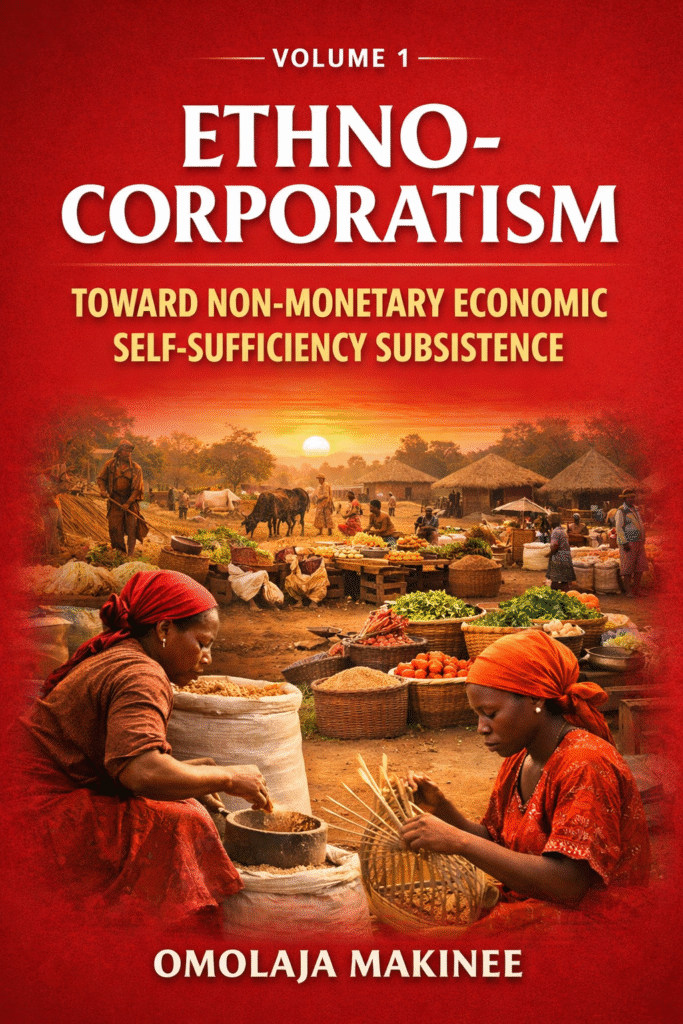
Volume 1: Ethno-Corporatism
Toward Non-Monetary Economic Self-Sufficiency Subsistence
Across ancient Africa, economic life was organised through cooperative subsistence—families, guilds, and communities producing for collective survival rather than profit. This micro-level ethic of “all work for each, and each for all” formed the foundation of African civilisation.
Ethno-Corporatism extends this principle to the macro level, transforming cooperative subsistence into a continental economic system. It proposes a non-monetary, self-sufficient corporatist State that replaces extractive capitalism with collective production, shared responsibility, and economic resilience rooted in Africa’s indigenous economic logic.
Volume 2: Ethnopublic State
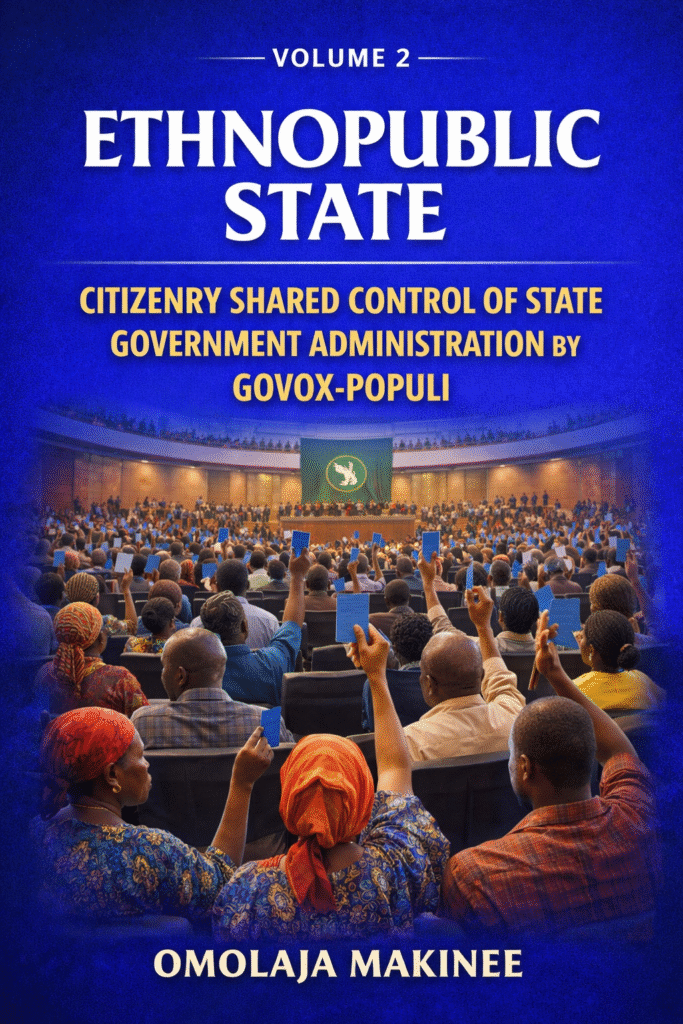
Citizenry Shared Control Of State Government Administration By Govox-Populi
Ancient African societies were governed through ethno-governed communities, where rulers, chiefs, and councils administered affairs in constant dialogue with the people. This micro-level participatory governance is the foundation of Ethnopublicanism.
At the macro level, the Ethnopublic State expands communal self-rule into a continental system of shared administration through Govox-Populi. It proposes replacing colonial republicanism with a unified body of ethnopublics—forming the United African States—where citizens exercise continuous, structured authority over governance as a lived civic practice.
Volume 3: Commicracy
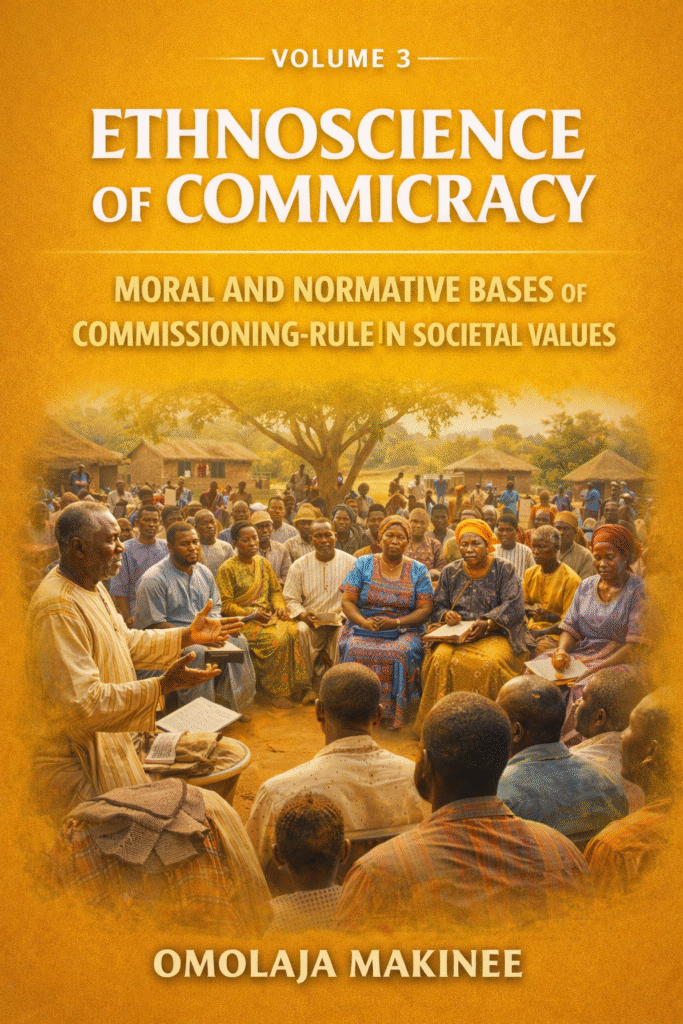
Moral and Normative Bases of Commissioning-Rule in Societal Values
Indigenous African societies organised work, ritual, and governance through horizontal commissioning—elders, specialists, and groups coordinating as equals without rigid hierarchies. This micro-level commicratic order shaped morals, customs, and accountability.
Commicracy formalises this structure at the macro level, replacing Western bureaucracy with cooperative, non-hierarchical institutions. It proposes a continent-wide transition from command-and-control administration to commission-rule systems, where authority flows through collective responsibility, ethical consensus, and functional cooperation rather than bureaucratic domination.
Volume 4: Populocracy
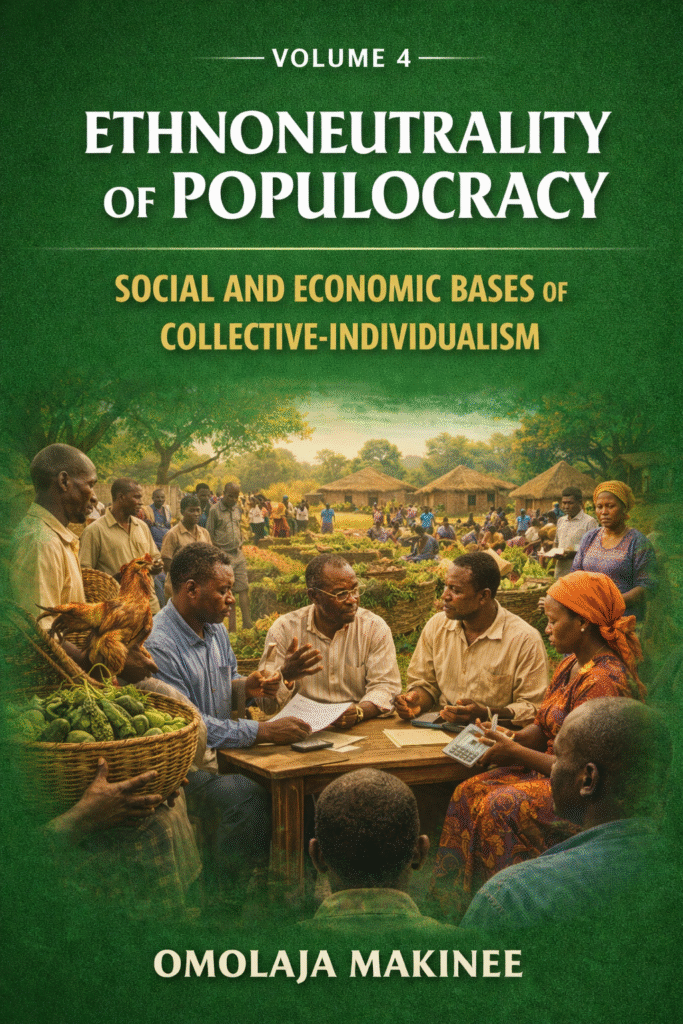
Social and Economic Bases of Collective-Individualism
Before modern democracy, governance in ancient Africa operated through ethno-populist participation—daily decisions shaped by those directly affected, mediated by communal leadership. This micro-level populist practice is the ancestral root of Populocracy.
At the macro level, Populocracy formalises direct civic participation beyond electoral rituals, enabling real-time decision-making by citizens in social and economic matters. It contrasts with Western democracy by restoring governance as a lived communal process and proposes Populocracy as the governing form of the United African States.
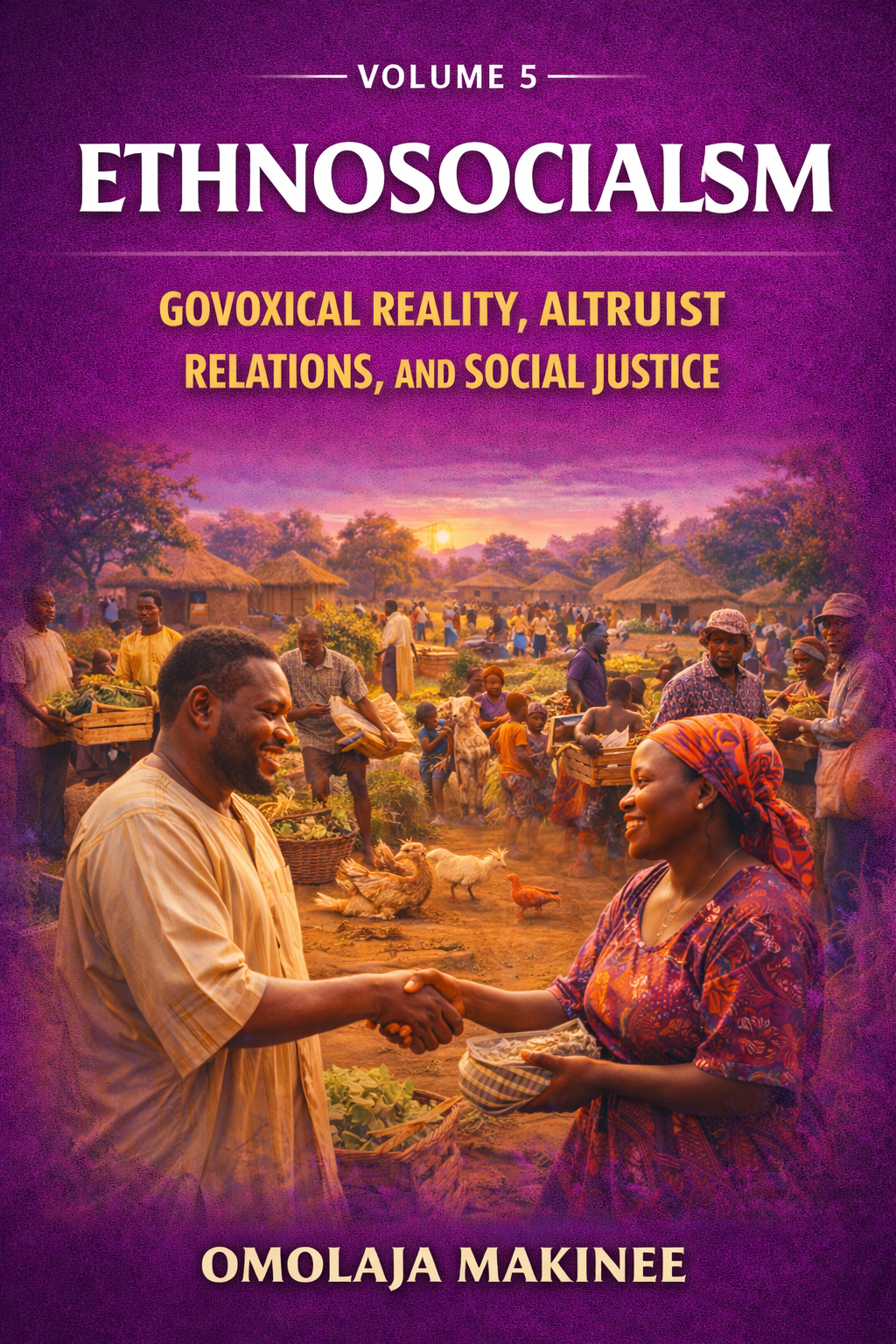
Volume 5: Ethnosocialism
Govoxical Reality, Altruist Relations, and Social Justice
Ethnosocialism represents the continuous civilisational trajectory of African society—from communal subsistence, shared governance, and collective morality to a unified modern system. In ancient Africa, social life was organised around shared responsibility, mutual aid, and collective control of resources.
Ethnosocialism elevates these principles to the macro level, integrating Govoxical governance, altruist economics, and social justice into a single national framework. It fulfills the ancestral vision of Pan-African socialism by grounding modern governance in Africa’s indigenous values, history, and lived social reality.
Want to Support the Revolution?
You can read it free, because revolution should never be locked behind a paywall. But if you believe in the vision and want to support the cause, you can also purchase physical or digital copies on Amazon.
This is more than theory — it’s a manifesto for builders of the next society.
🌱 Start reading today. Shape tomorrow.