
AFRICA’S MANSION: WHY ELECTRICITY AND BORDERLESS ROADS ARE THE KEYS TO CONTINENT-WIDE DEVELOPMENT
BY: OMOLAJA MAKINEE
Africa is often described in paradoxical terms: rich in resources but poor in access, vibrant in culture but lacking in infrastructure, bursting with potential yet restrained by systemic inefficiencies.
To understand the challenge, imagine a grand mansion—its exterior stunning, commanding admiration, yet its interiors dark, disorganised, and inaccessible. The furniture is haphazardly placed, the hallways rough, and the essential systems—electricity, water, and internal pathways—either failing or non-existent. This, in essence, is Africa today: a continent resplendent in natural wealth, yet internally constrained by infrastructural and systemic inefficiencies.
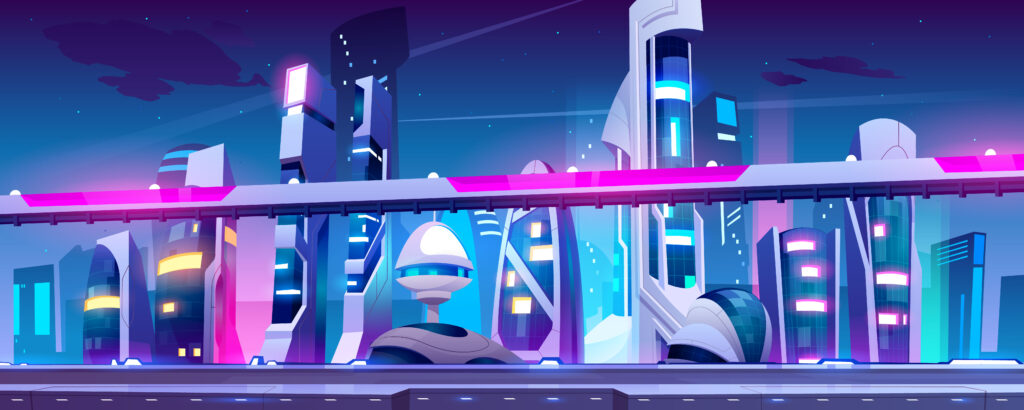
Now imagine that same mansion powered by a state-of-the-art nuclear reactor, illuminating every room, energising every corner, while its internal layout is meticulously organised—fast roads connecting rooms, high-speed railways linking wings, and bridges ensuring smooth access to every part of the estate. The transformation is immediate. The mansion is no longer just a spectacle; it is functional, efficient, and thriving. Africa, similarly, requires this dual intervention: uninterrupted electricity and robust, borderless road networks that unite the continent in mobility, commerce, and opportunity.
1. Electricity: Powering Africa’s Potential
Electricity is the lifeblood of modern society. Without it, industries cannot operate at scale, hospitals cannot provide reliable care, schools cannot implement digital learning, and homes remain in darkness. Africa’s immense natural resources—hydropower potential, solar exposure, and even geothermal energy—remain underutilised. A continent-wide electrical grid, powered by a combination of nuclear, solar, hydro, and wind energy, could light up cities, energise industrial zones, and empower rural communities.
With reliable electricity, African entrepreneurs can operate factories around the clock, students can access digital education platforms, and healthcare systems can function without interruption. Electricity is more than convenience; it is economic emancipation, social empowerment, and national security. It is the foundation on which all other developmental pillars are built.
Borderless Road Networks: Connecting People, Markets, and Ideas
Electricity alone is not enough. Energy must meet movement. A continent-wide road network and high-speed rail system, designed without borders impeding transit, is essential to mobilise goods, services, and people. Imagine African farmers in Kenya seamlessly transporting produce to Nigeria, or engineers in South Africa collaborating with tech hubs in Ghana, without the friction of dysfunctional customs, impassable roads, or fragmented transport policies.
Borderless transportation transforms Africa from a collection of disconnected States into an integrated economic powerhouse. It allows labour mobility, market expansion, and industrial clustering, while also encouraging cultural and social exchange. Roads and railways are not merely physical pathways; they are arteries of opportunity, carrying the lifeblood of the continent’s economy and fuelling human potential.
2. The Synergy of Electricity and Transportation
Electricity and transportation are not separate solutions—they are interdependent. Power fuels trains and electric vehicles; roads provide access to energy infrastructure, enabling repairs, maintenance, and expansion. Together, they create a self-reinforcing ecosystem where African resources can be converted into tangible wealth, innovation can flourish, and social mobility becomes possible.
When African nations embrace state-of-the-art electrical grids and borderless transport networks, the result is transformative. Cities and rural areas alike will thrive. Industries will scale. Knowledge economies will flourish. Borders will no longer be barriers; instead, they will become seamless connectors that bind the continent together, socially and economically.
CONCLUSION: Africa’s Mansion, Reimagined
Electricity and transportation provide the skeleton of a functional African mansion; the creativity, ingenuity, and resilience of its people provide the flesh and vitality. With these foundational investments, Africa will stop being judged solely by its natural resources and start being measured by its human capital, industrial output, and integrated infrastructure. Development will no longer be an imported concept but a continent-defined reality, shaped and sustained by Africans themselves.
The path is clear: power the continent, connect the continent, and empower its people. Everything else—innovation, entrepreneurship, education, culture—will naturally follow. Africa’s mansion, once dark and disorganised, will shine as a beacon of human ingenuity, resilience, and collective progress. Electricity and borderless roads are not optional—they are the foundation for Africa’s true renaissance.
Back to: 👇